

📱 Topic: Digital health · Behavior change · Culturally tailored interventions
These days, managing weight is evolving past the old-school diet plans and stepping into a world of tech-savvy solutions and personalized lifestyle support. Recent studies reveal that mobile apps, digital platforms, and culturally relevant media strategies are paving the way for adults to reach healthier body weights and develop sustainable habits. 📲
📊 The Power of Smartphone Apps and Digital Support
Smartphone apps and long-term digital health tools have become game-changers in the weight loss journey, helping adults achieve noticeable reductions in body weight, body mass index (BMI), and waist size. These mobile applications shine by making daily self-monitoring, goal-setting, and habit tracking easy and engaging.
Plus, when you pair these digital tools with ongoing human support or personalized feedback from healthcare professionals, it really amps up motivation, accountability, and commitment to the program. On the flip side, websites that lack interactive features or regular support often lead to less consistent long-term success.
🌍 Culturally Tailored Media and Behavioral Strategies
To truly harness the power of digital health tools, programs need to resonate with the unique cultural and social contexts of the communities they aim to help. Research focusing on Black and African American adults shows that effective weight management hinges on blending essential behavioral habits—like setting personal goals, self-monitoring, and staying active—with practical dietary changes such as portion control, cutting back on sugary drinks, and increasing fruit and vegetable intake.
Using accessible media channels like text messaging, mobile apps, TV, and private social media groups helps create strong virtual support networks that empower individuals. Additionally, incorporating culturally familiar food options in tracking apps and addressing holistic factors like stress management can make a significant difference in the journey toward better health. 🤝

🛠️ Effective Digital Tools and Mobile Health Strategies
📈 Noticeable Physical Health Progress: Smartphone apps and mobile health programs are proving to be game-changers for adults looking to shed some pounds, lower their body mass index, and trim their waistlines.
💪 Personal Empowerment and Autonomy: With mobile tracking apps, individuals gain a sense of control over their health journey, enhancing their ability to monitor themselves daily, take charge of their choices, and manage their routines effectively.
⏳ Sustained Long-Term Progress: Digital health interventions that last over time offer continuous support, helping people maintain their weight and keep improving their physical health in the long run.
🔔 Interactive Motivation: Engaging features like personalized text messages, automated reminders, and in-app nudges keep users motivated and actively working towards their wellness goals every day.
✅ Core Dietary and Behavioral Habits for Success
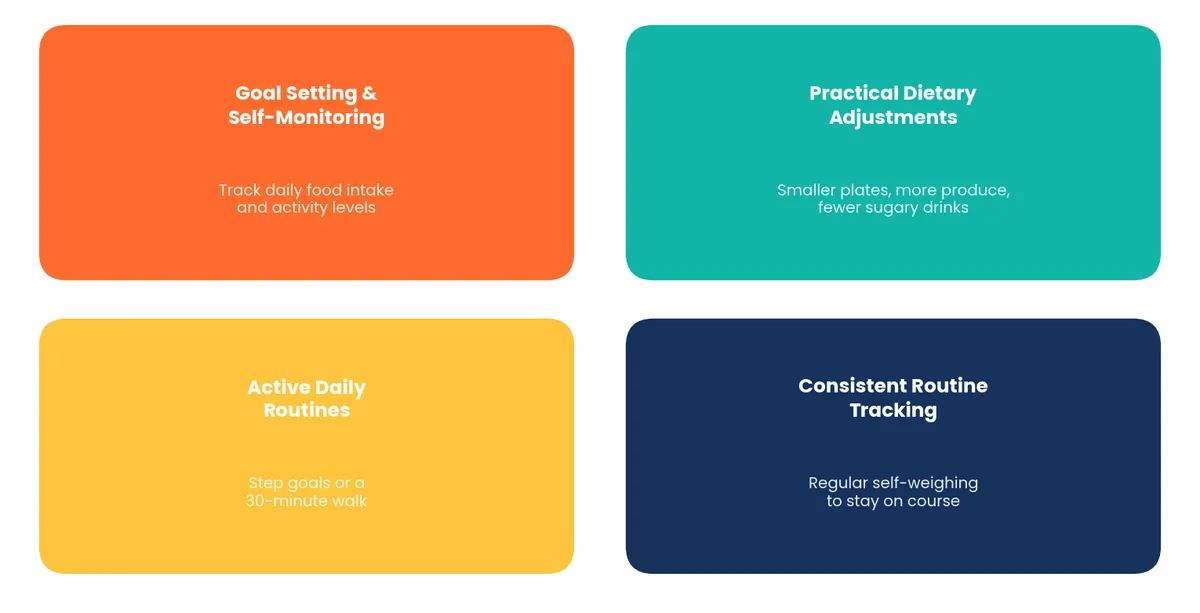
🎯 Goal Setting and Self-Monitoring: Setting clear personal goals and keeping track of daily food intake and activity levels are essential steps in building habits that lead to initial weight loss and lasting health.
🥗 Practical Dietary Adjustments: Making small changes to your diet—like using smaller plates to control portions, eating more fruits and veggies, cutting back on sugary drinks, limiting high-fat foods, and checking nutrition labels—can significantly enhance your overall diet quality.
🚶 Active Daily Routines: Adding regular physical activity to your day, such as aiming for a certain number of steps or taking a 30-minute walk, can really boost your fitness and energy levels.
⚖️ Consistent Routine Tracking: Weighing yourself regularly helps you stay aware of your progress, recognize achievements, and make necessary adjustments to your routine in a timely manner.
🏁 Bottom line
Digital health technologies, along with culturally tailored behavioral interventions, provide effective and accessible ways to support weight management and promote lasting healthy habits. Combining digital platforms with personalized coaching and culturally relevant approaches—like incorporating traditional food options and addressing holistic aspects such as stress management—ensures that weight control strategies are practical, inclusive, and effective for diverse populations.
References
- Couto, Felipe da Fonseca Silva, and Carlos Podalirio Borges de Almeida. "Mobile and Web Apps for Weight Management in Overweight and Obese Adults: An Updated Umbrella Review and Meta-Analysis." International Journal of Environmental Research and Public Health 22, no. 7 (2025): 1152. https://doi.org/10.3390/ijerph22071152
- Keseko, Enid A., Alexis Bell, and Gabrielle M. Turner-McGrievy. "Behavioral and Dietary Strategies for Weight Loss and Weight Loss Maintenance Among Black/African American Adults and the Potential Role of Media: A Narrative Review." Nutrients 17, no. 4 (2025): 617. https://doi.org/10.3390/nu17040617