


🏋️ Topic: Sports nutrition · Body composition · Breaking training plateaus
1️⃣ Introduction: The Frustrating Plateau
For those who are truly committed to their fitness journey, the weight room feels like a sacred space of discipline. Yet, many find themselves staring at the mirror, only to be met with the frustrating sight of stagnation. You hit the gym with unwavering dedication, gulp down those protein shakes, and keep a close eye on your personal records, but your physique just won't budge. This isn't merely a "slump"—it's the quiet thief of your athletic dreams. 😤
While gym wisdom often suggests that the answer lies in simply putting in "more effort," the reality of building lean body mass is a nuanced dance between two realms: the "science" and the "art" of bulking. The science is straightforward and clinical—hitting the exact energy and protein targets your metabolism demands. The art, on the other hand, involves skillfully managing your lifestyle.
📝 Where to start
If you find yourself stuck, the first move isn't to grab a new supplement; it's to take a hard look at your habits. The best way to pinpoint where you might be going wrong is by keeping a 3-day food record. Without this clear data, you're not really training; you're just taking wild guesses.
2️⃣ The Forgotten Pillar: Why Rest Is Non-Negotiable
In a world that glorifies the "grind," rest often becomes the first thing we sacrifice on the path to progress. This is a major strategic blunder. 😴
To grasp why, we need to delve into the history of strength training. The idea of periodization—the planned variation of training volume and intensity—was perfected by Eastern European weightlifters. They understood that the body doesn't grow during the workout; it actually grows in the quiet moments that follow. Without scheduled rest periods to avoid overtraining and injury, the signals from your resistance training can turn into mere noise instead of a call for growth.
To achieve their body composition goals, athletes should focus on three fundamental principles:
A solid resistance-training program
Proper nutrition
Adequate rest
3️⃣ The Protein Myth: Why Calories and Carbs Are Your Real Bottleneck
One of the biggest misconceptions floating around in gyms today is the idolization of protein. Sure, protein is essential for building muscle, but athletes often overestimate its importance while neglecting the bigger picture of total energy intake. Let's break down what muscle tissue is really made of: 🔬
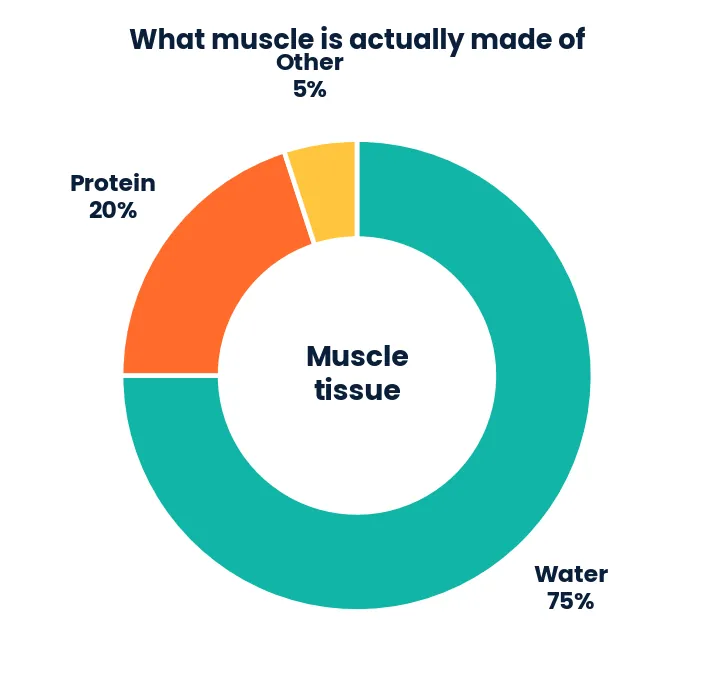
If you find yourself in a caloric deficit, that pricey whey protein isn't going to magically build muscle; instead, your body will just use it for energy. This is where carbohydrates come into play as your best friend. Carbs offer a crucial "protein-sparing effect," meaning they provide energy and allow protein to focus on growth and repair.
8–10 g/kg CARBS FOR SESSIONS OVER 60 MIN |
10,500 kJ ENERGY PER 0.45 KG MUSCLE GAINED |
1,680 kJ DAILY SURPLUS NEEDED |
|---|
For those pushing through intense training sessions (over 60 minutes), the recommendation skyrockets to about 8 to 10 grams of carbohydrates per kilogram of body weight each day. And let's not forget the harsh reality of muscle growth: it takes roughly 10,500 kJ of energy to support just 0.45 kg (1 lb) of muscle. To hit that target weekly, you need to maintain a daily surplus of around 1,680 kJ.
4️⃣ Fear of the Plate: Overcoming "Fat Phobia"
There's a mental hurdle to growth that I like to call "fat phobia." Often fueled by well-meaning but misinformed parents, friends, or coaches, many athletes become so fixated on "clean eating" that they end up keeping their fat intake below 10%. The irony here is that this "fat-free" approach can actually sabotage the very lean mass goals they're trying to achieve. 🥑
Research indicates that for non-obese, active athletes, there's no link between dietary fat and body fat percentage. In fact, ramping up energy intake solely through carbs can be risky, as studies have shown it can lead to a significant spike in triglycerides (from 0.104 mmol/L to 1.28 mmol/L in some cases).
💡 Counterintuitive finding
Among non-obese, physically active athletes who aren't consuming excess calories, there's no correlation between the fat content of their diet and their body fat percentage. Interestingly, some of the leanest athletes actually have the highest dietary fat intakes, with studies of elite athletes showing fat consumption ranging up to 29% of total energy.
5️⃣ The 9-Meal Reality: Redefining "Eating Often"
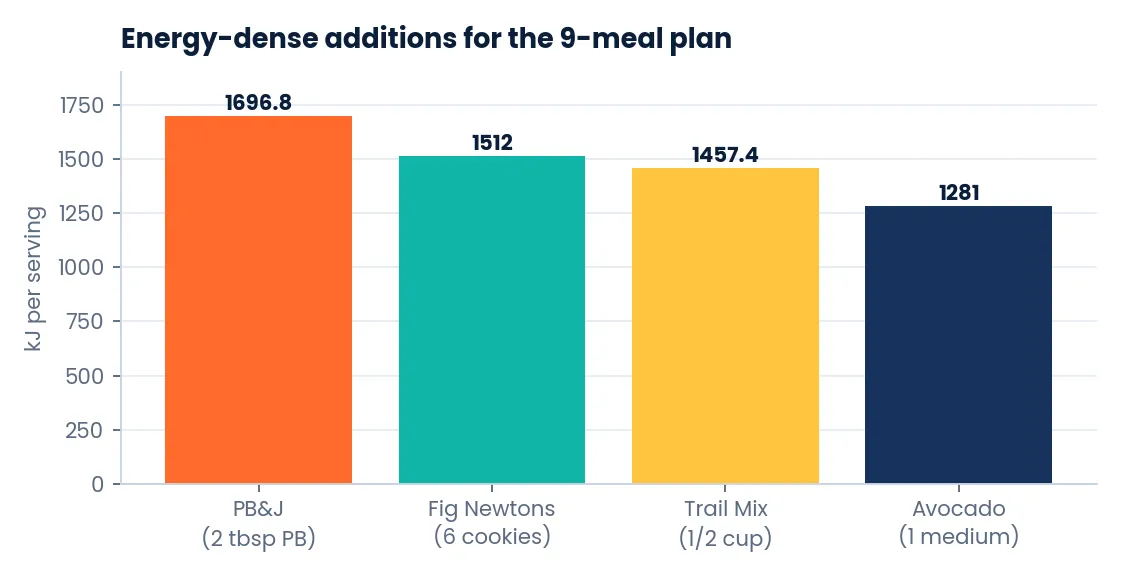
Gaining weight can feel like a logistical puzzle. For many people sticking to a three-meal-a-day routine, achieving a surplus of 1,680 kJ/d can seem nearly impossible. If you're aiming to build lean mass, you might need to rethink your approach and aim for five to nine meals throughout the day. 🍽️
When the sheer volume of food becomes a hurdle, it's time to get creative with energy concentration. Instead of just piling on more bulk (like fiber), focus on adding high-energy density foods. This means incorporating things like butter, margarine, sauces, salad dressings, syrups, or powdered milk into your meals.
6️⃣ Genetic Reality: Working With Your Somatotype
Your genetic makeup, or somatotype, sets the stage for your fitness journey. 🧬

Recognizing whether you have a "solid" or "slender" physique is crucial for setting realistic expectations. Keep in mind that the initial gains in any program are often the most noticeable. As you get closer to your genetic potential, the blend of "science and art" in your approach will need to be fine-tuned to keep the progress rolling.
7️⃣ Conclusion: The Long Game of Lean Mass
Hitting a plateau calls for a change in mindset. It's time to stop searching for that elusive "magic bullet" supplement and start focusing on the essentials for growth: a progressive training program, a protein intake of 1.5 to 2.0 g/kg/d, and a steadfast commitment to maintaining a caloric surplus through careful management of fats and carbohydrates. 💪
References
- Maddox, R. (2026). The Protein-First Macro Method: A Beginner's Guide to Master Macros, Lose Fat, Preserve Muscle, and Stop Tracking for Good. BookRix.
- Xu, B. B. (2026). Development of Predictive Culture Models of Skeletal Muscle to Advance Muscle Stem Cell Therapeutics (Doctoral dissertation, University of Toronto).